
 Cart is empty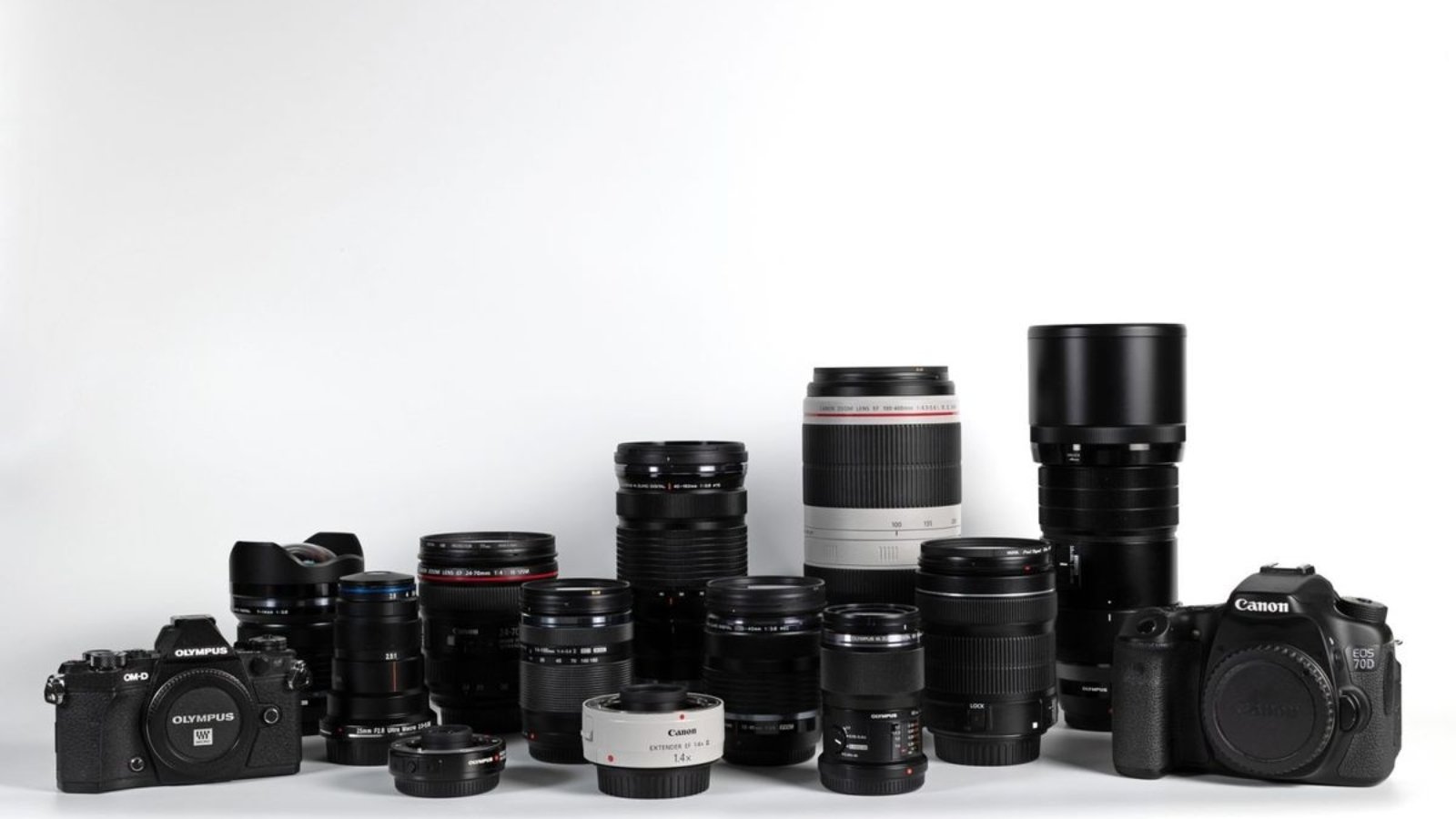
Photography is as much about the lens as it is about the camera. While your camera body matters, the right camera lens can dramatically change your photos. From capturing sweeping landscapes to close-up portraits, choosing the correct lens is essential. In this guide, we’ll explore all types of photography lenses, including DSLR lenses, mirrorless lenses, zoom lenses, prime lenses, wide-angle lenses, and telephoto lenses, so you can confidently choose the right lens for your needs.
1. Understanding Camera Lenses
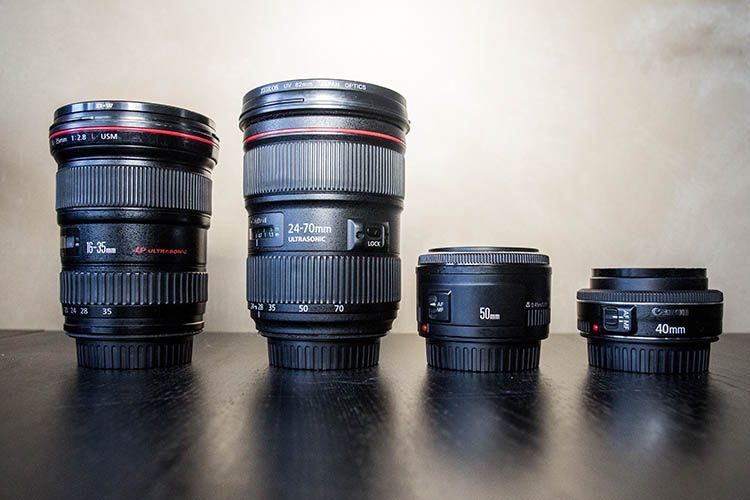
A photography lens isn’t just a piece of glass—it’s the tool that shapes your images. Here are key factors to understand:
- Focal Length: Determines how much of a scene your lens can capture. Wide-angle lenses capture more of the scene, while telephoto lenses bring distant subjects closer.
- Aperture: Controls how much light enters the camera. Lenses with wider apertures (lower f-numbers) allow better low-light performance and beautiful background blur.
- Lens Type: The choice between a zoom lens and a prime lens affects flexibility, weight, and image quality.
Understanding these basics ensures you pick a lens that matches your shooting style.
2. DSLR Lens vs Mirrorless Lens
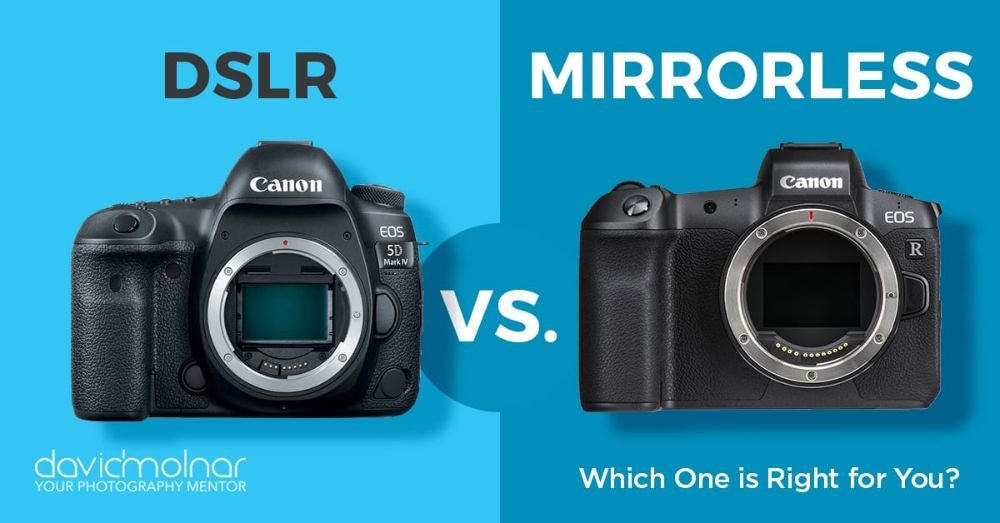
DSLR Lenses
- Traditional and versatile.
- Compatible with a wide variety of lenses including wide-angle, telephoto, and prime lenses.
- Heavier but often more affordable than mirrorless options.
Mirrorless Lenses
- Compact and lightweight, perfect for travel or street photography.
- Faster autofocus and newer technologies for video and photography.
- Mirrorless systems may have fewer lenses initially, but the options are expanding rapidly.
Pro Tip: Consider your camera system’s lens availability before investing, especially if you plan to expand your collection over time.
3. Zoom Lens vs Prime Lens
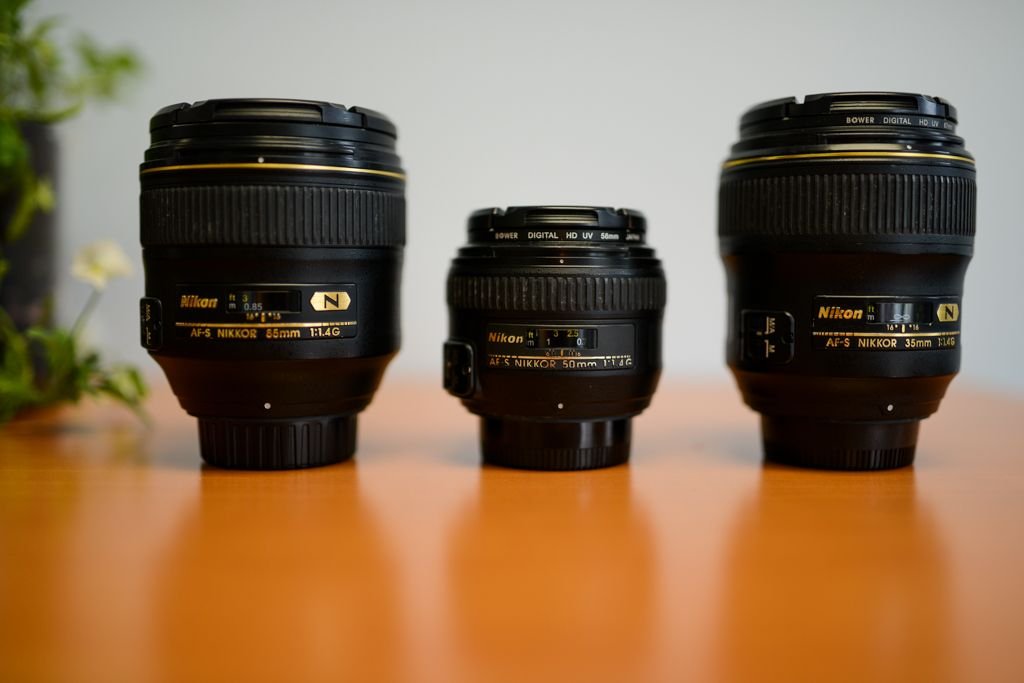
Zoom Lenses
- Variable focal lengths (e.g., 24-70mm).
- Ideal for events, travel, and wildlife photography where flexibility is key.
- Slightly heavier and sometimes less sharp than prime lenses.
Prime Lenses
- Fixed focal length (e.g., 50mm).
- Typically sharper, with wider apertures for low-light performance.
- Encourage creativity and framing skills because you move physically to compose shots.
Recommendation: Beginners often start with a zoom lens for flexibility, then add a prime lens for portraits or low-light shooting.
4. Wide-Angle Lenses
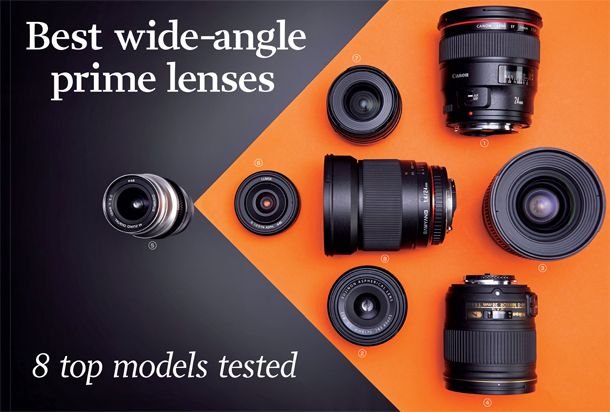
Wide-angle lenses are essential for capturing landscapes, architecture, or group photos. They usually have focal lengths between 10mm and 35mm.
- Capture expansive scenes in a single frame.
- Can exaggerate perspective for dramatic effect.
- Excellent for indoor or travel photography where space is limited.
Tip: Choose a lens with minimal distortion for professional results.
5. Telephoto Lenses
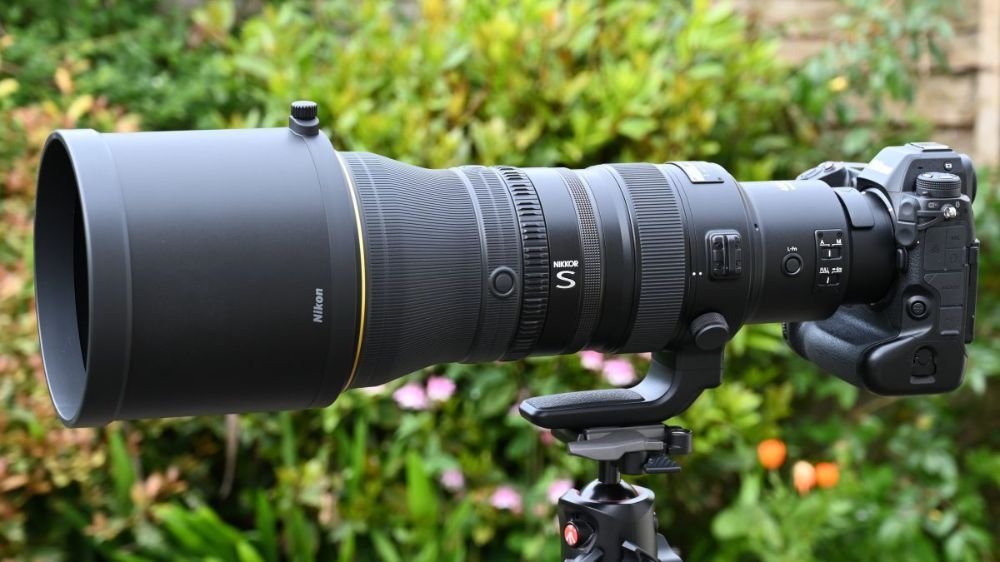
Telephoto lenses are perfect for shooting distant subjects, like wildlife or sports. Focal lengths generally start at 70mm and can go up to 600mm.
- Bring far-away subjects close without disturbing them.
- Compress perspective for a flattering look in portraits.
- Usually heavier, so a tripod or monopod is recommended.
Pro Tip: Look for image stabilization in telephoto lenses to reduce blur caused by hand movement.
6. Specialty Lenses
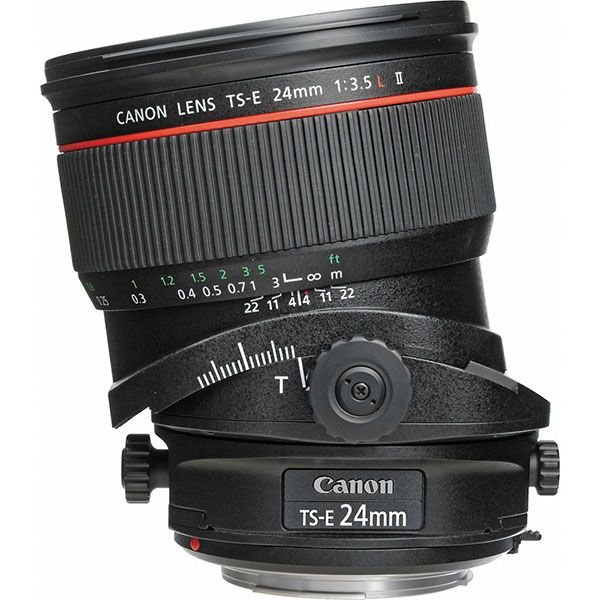
Some photographers need lenses for very specific purposes:
- Macro Lenses: Capture extreme close-ups of flowers, insects, or small objects.
- Fisheye Lenses: Ultra-wide with a curved perspective, great for creative shots.
- Tilt-Shift Lenses: Perfect for architecture and controlling perspective distortion.
Adding a specialty lens can elevate your photography once you’ve mastered the basics.
7. Choosing the Right Lens for Your Needs
Here’s a quick guide:
| Photography Type | Lens Recommendation | Why |
|---|---|---|
| Beginner / Everyday | Standard Zoom Lens (18-55mm) | Versatile and easy to use |
| Portrait | 50mm or 85mm Prime Lens | Smooth background blur and sharpness |
| Landscape | Wide-Angle Lens | Capture expansive scenes |
| Wildlife / Sports | Telephoto Zoom Lens | Get closer to the action |
| Macro | Macro Lens | Ideal for tiny details and close-ups |
Tip: Balance your budget, camera type, and preferred photography style when buying a lens.
8. Lens Maintenance Tips
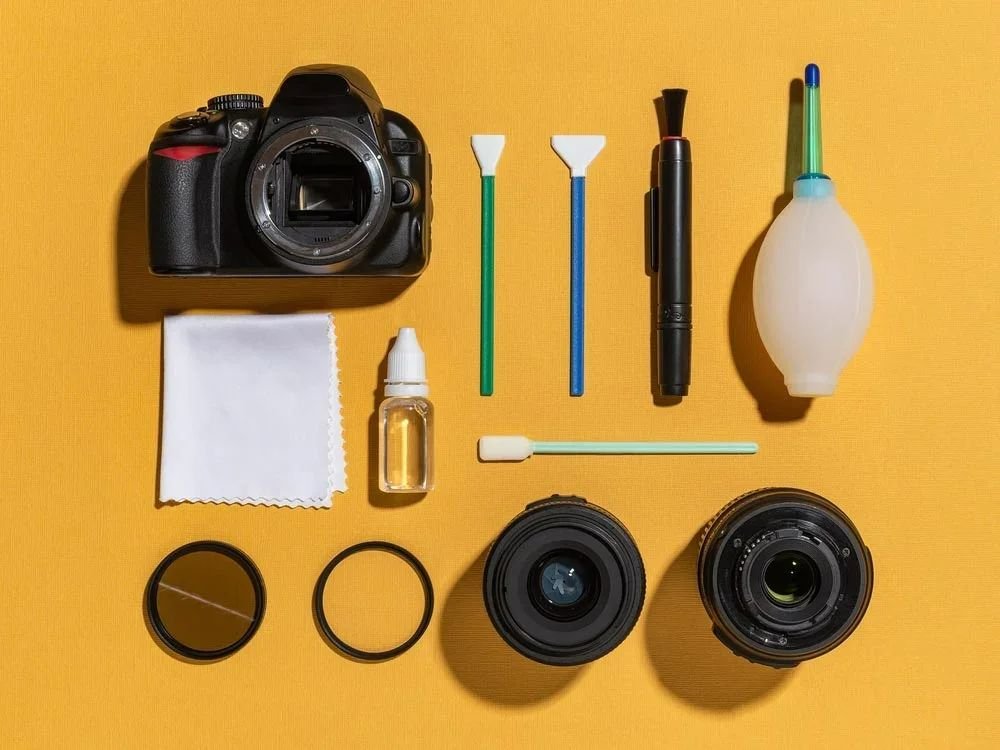
Proper maintenance extends the life of your camera lens:
- Keep lenses clean and dry.
- Use lens caps and pouches for storage.
- Avoid touching the glass with fingers.
- Clean dust with a blower or microfiber cloth.
- Regularly check lens mounts and ensure no dirt enters the camera body.
Conclusion
Your choice of photography lens is crucial for capturing stunning images. By understanding DSLR lenses, mirrorless lenses, zoom lenses, prime lenses, wide-angle lenses, and telephoto lenses, you can make an informed decision and improve your photography instantly. Start with a versatile lens and expand your kit as you grow your skills. The right lens can transform ordinary shots into extraordinary photos.
Add a Comment