
 Cart is empty
Smart home technology isn’t just for tech experts anymore. Today, beginners can easily start automating their homes with affordable, user-friendly gadgets. Whether you want to save energy, enhance home security, or just make life more convenient, this guide will help you find the best smart home devices for beginners. We’ll cover everything from smart lights and plugs to DIY electronics projects, making your journey into home automation smooth and enjoyable.
What Are Smart Home Devices?
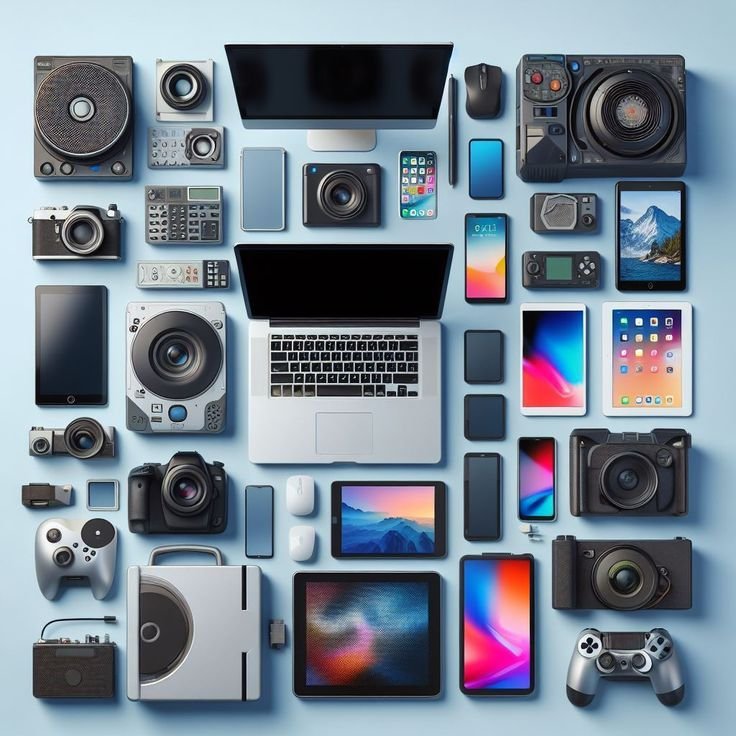
Smart home devices are electronic gadgets you can control remotely through your smartphone, tablet, or voice assistant. They help automate daily tasks, improve security, and make your home more efficient.
Some popular types include:
- Smart lights and switches – control brightness, colors, and schedules.
- Smart thermostats – manage temperature efficiently.
- Smart security cameras – monitor your home remotely.
- Smart plugs and appliances – automate your electronics.
- Voice assistants – control multiple devices with simple voice commands.
Starting with smart home devices for beginners doesn’t have to be complicated. Many devices now feature plug-and-play setups, mobile apps, and compatibility with platforms like Amazon Alexa, Google Home, or Apple HomeKit.
Why Beginners Should Invest in Smart Home Devices
There are several reasons beginners should consider adding smart home gadgets:
- Convenience – automate tasks like turning off lights or adjusting the thermostat.
- Security – monitor your home remotely with cameras and sensors.
- Energy savings – control your appliances efficiently and reduce bills.
- Scalability – start small with a few devices and expand over time.
Even if you’re new to technology, these devices are designed to be easy to install and integrate into your daily life.
Top Smart Home Devices for Beginners
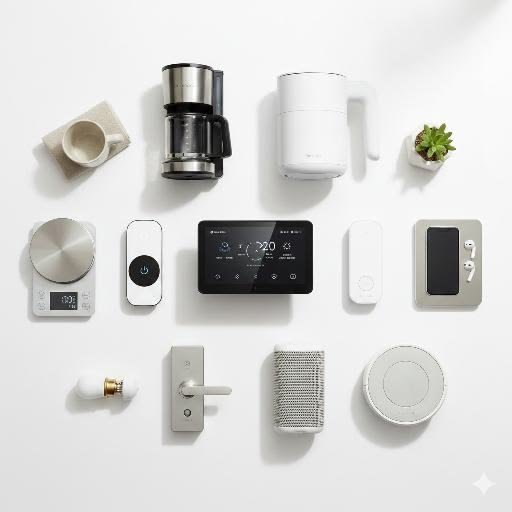
Here’s a breakdown of smart home devices beginners should consider.
1. Smart Lights
Popular choices: Philips Hue, LIFX
Smart lights allow you to control brightness and color from your smartphone or voice assistant. You can also set schedules or automate lights to turn on when you arrive home. Beginner-friendly and fun to use, smart lights are often the first gadget people add to their homes.
2. Smart Plugs
Popular choices: TP-Link Kasa, Wemo Mini
Smart plugs let you turn ordinary devices into automated smart devices. You can schedule appliances to turn on/off and control them remotely. They’re affordable, easy to install, and perfect for newcomers.
3. Smart Thermostats
Popular choices: Google Nest, Ecobee
Smart thermostats help maintain comfortable temperatures while saving energy. They learn your schedule and adjust automatically, helping reduce your bills. With mobile apps and voice control, they’re ideal for beginners looking to automate climate control.
4. Smart Security Cameras
Popular choices: Ring, Arlo, Wyze Cam
Security cameras let you monitor your home in real-time. Many cameras offer motion alerts, two-way audio, and cloud storage. They are a beginner-friendly way to improve home safety and can integrate with other smart devices.
5. Voice Assistants
Popular choices: Amazon Echo, Google Nest Hub
Voice assistants are the brains of your smart home. They allow you to control multiple devices with simple commands, play music, set reminders, or even get weather updates. Beginners benefit from the ease of controlling devices without navigating multiple apps.
6. DIY Electronics for Beginners
Tools: Arduino, Raspberry Pi
If you enjoy hands-on learning, DIY electronics can help you build your own smart devices. Beginner-friendly projects include automated lights, smart alarms, or simple sensors. DIY electronics also help you understand how smart devices work, which is useful for expanding your smart home in the future.
How to Choose the Right Devices
When selecting smart home devices for beginners, consider these factors:
- Ease of Use – look for devices with simple setup guides.
- Compatibility – ensure they work with your preferred ecosystem (Alexa, Google, Apple).
- Budget – start small; there are plenty of affordable options.
- Purpose – decide whether you want convenience, security, or energy savings.
- Expandability – choose devices that integrate well with future gadgets.
Tips for Setting Up Your Smart Home
- Start small – add 1-2 devices initially.
- Use voice assistants – they simplify control of multiple devices.
- Automate schedules – for lights, plugs, and thermostats.
- Keep apps updated – ensure security and smooth operation.
Frequently Asked Questions
Q1: What are the easiest smart home devices to start with?
Smart plugs, smart lights, and voice assistants are beginner-friendly and require minimal setup.
Q2: Can smart home devices work without the internet?
Some features may work locally, but most require an internet connection for full functionality.
Q3: Are smart home devices expensive for beginners?
No. Many devices are affordable, such as smart plugs under $20 and basic smart lights.
Q4: Can I expand my smart home over time?
Absolutely. Start small and gradually add devices like security cameras, smart appliances, or DIY projects.
Conclusion
Getting started with smart home devices for beginners is simple and rewarding. Start with basic gadgets like smart lights, plugs, and voice assistants, then expand as you gain confidence. Not only will you enjoy more convenience and security, but you’ll also save energy and have fun experimenting with technology.
Add a Comment